
Case study 04 / Nursery catalog + quote system
Turning a 100-Plant Inventory into a Quote-Building Website.
Duque's Palms needed to serve landscapers, businesses, and homeowners without pretending plant inventory behaves like a fixed-price online store. Tight Designs built a 100-plant research catalog, eight crawlable category hubs, individual specification pages, service pathways, and a persistent quote basket that turns browsing into one organized project request.
 Nursery catalog + project quote system
A nursery website designed around project specifications...not an unreliable “buy now” button.
Duque's Palms is a family-run nursery and landscape business serving wholesale and retail buyers from Arcadia, Florida. The business sells palms, trees, fruit trees, screening plants, shrubs, color, tropical accents, groundcovers, and grasses. It also provides delivery, installation, landscaping, lawn service, and commercial property care. One website had to support a homeowner looking for a single special tree and a landscape professional assembling dozens of plants for a project.
The buying process made a traditional ecommerce pattern the wrong fit. Plant form, height, container or field specification, matching requirements, quantity, delivery, installation, timing, and current availability can all affect the final quote. Showing a fixed price and checkout would create false certainty. Showing only a photo gallery would force the buyer to rebuild the plant list through a phone call or unstructured message.
Tight Designs created a catalog-to-quote system. Buyers can search 100 plant records by common name, botanical name, category, description, and landscape use. They can filter by eight meaningful categories, compare planning specifications, select a size and quantity, add notes, and maintain one persistent quote basket. The final request includes buyer status, project details, fulfillment, target date, alternate preferences, contact permission, and an itemized plant list.
Positioning
Wholesale and retail nursery, landscaping, lawn service, delivery, installation, and practical bilingual support.
Catalog strategy
One structured inventory source powering search, filters, category hubs, plant pages, images, and quote options.
Conversion system
Persistent multi-item quote basket with sizes, quantities, notes, fulfillment, timing, alternates, and customer status.
Development
Static HTML, shared Python components, generated SEO pages, local assets, PHP processing, analytics, and Hostinger deployment.
One inventory...several buyers, specifications, and ways to finish the project.
The website had to be useful before the nursery confirmed stock or price. That meant describing what each plant is and how it is used without making unsupported availability or performance promises.
“Do not make the customer start over when they are ready to ask for the quote.”
A buyer may compare plants across several categories, return later, change quantities, or decide that an alternate is acceptable. The website needed to preserve that work while giving search engines permanent pages they could understand without running the interactive catalog.
Different buyer types
Landscape professionals, commercial buyers, property managers, and homeowners need different quantities and levels of plant detail.
Variable specifications
A common name alone is not enough. Botanical name, size, mature dimensions, light, water, tolerance, habit, care, spacing, and use may shape the request.
No dependable fixed checkout
Current inventory, matching, delivery, installation, sourcing, access, and timing belong in a reviewed quote rather than an assumed cart total.
Search versus interaction
A dynamic filter is convenient for people, but every important category and plant still needs a permanent crawlable URL with its own meaning.
Separate discovery from confirmation. The website can help the buyer research, compare, and organize exact preferences. The nursery can then review availability, sourcing, specifications, delivery, installation, and timing before providing the actual quote.
A catalog people can filter and Google can crawl.
The experience has an interactive layer for fast browsing and a static layer for durable plant research. Both are generated from the same 100-record plant source.
Wholesale + retail catalog
Search, category filters, progressive loading, quick specifications, size selection, quantity, and add-to-quote actions.
Palms
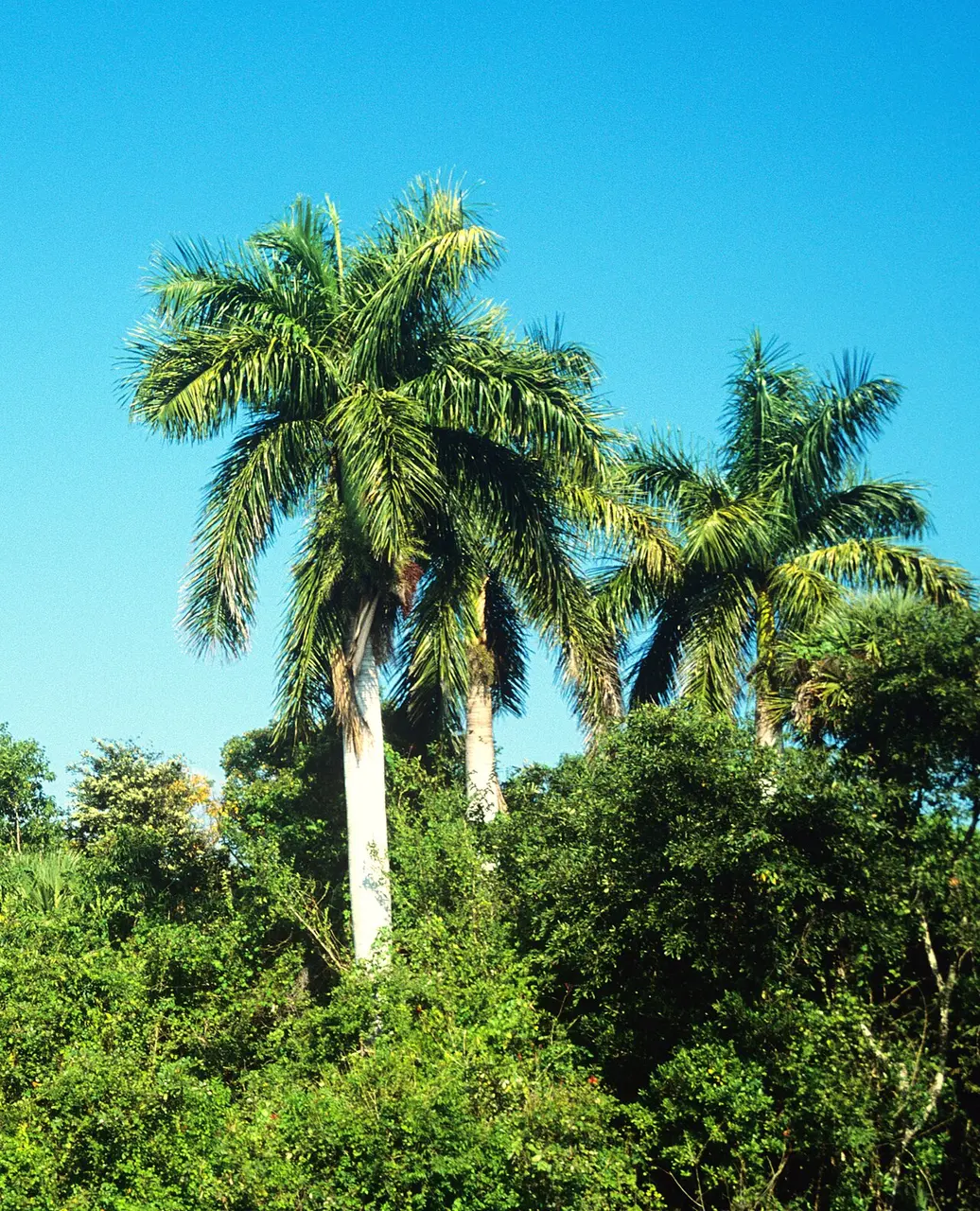
Fifteen palm records for entrances, streetscapes, screens, residential properties, estates, and tropical landscape plans.
Shade + flowering + fruit
Thirty-seven tree records separated by canopy, seasonal color, and edible-landscape intent.
Hedges + shrubs + accents
Thirty-eight records supporting privacy, structure, color, entries, pools, courtyards, and tropical focal points.
Groundcovers + grasses
Ten records for borders, massing, understory, texture, and low-profile planting layers.
Landscaping + lawn care
Separate pathways for design, installation, residential care, commercial maintenance, and property visits.
| Visitor intent | Page system | Question answered | Conversion role |
|---|---|---|---|
| “plant nursery Arcadia FL” | Homepage + catalog | What does the nursery sell and who does it serve? | Choose plants, landscaping, lawn care, or direct contact |
| “palms for sale Florida” | Palms hub + plant pages | Which palms fit the intended scale, light, tolerance, and look? | Compare specifications and add selected sizes |
| “wholesale nursery Florida” | Catalog + project quote | Can a professional prepare a multi-item request? | Capture company, plant, quantity, size, fulfillment, and timing |
| “fruit trees for sale Florida” | Fruit tree hub + eleven details | Which fruit trees deserve closer planning? | Build an itemized list without assuming current inventory |
| “landscaping Arcadia FL” | Landscaping service page | Can the nursery help select and install the project? | Move from plant research to a property estimate |
Arcadia experience supports Florida project planning.
The homepage positions Duque's Palms as a family-owned nursery and landscape company with three decades of experience. It presents wholesale and retail plant sales alongside delivery, installation, residential landscaping, lawn service, and commercial property care. Spanish-language availability is stated clearly with “Se habla español.”
Commercial credibility is handled carefully. The website references work at locations associated with McDonald's, Walmart, and 7-Eleven, then states that the brand names and logos belong to their owners and do not imply endorsement. The language provides context without turning another company's identity into an unsupported testimonial.
Nursery green, warm earth, and enough space for the plants to lead.
The design uses strong plant photography, clean white and cream surfaces, deep green, gold accents, charcoal text, and the locally hosted Michroma brand font. Decoration stays restrained so the inventory and project choices remain clear.
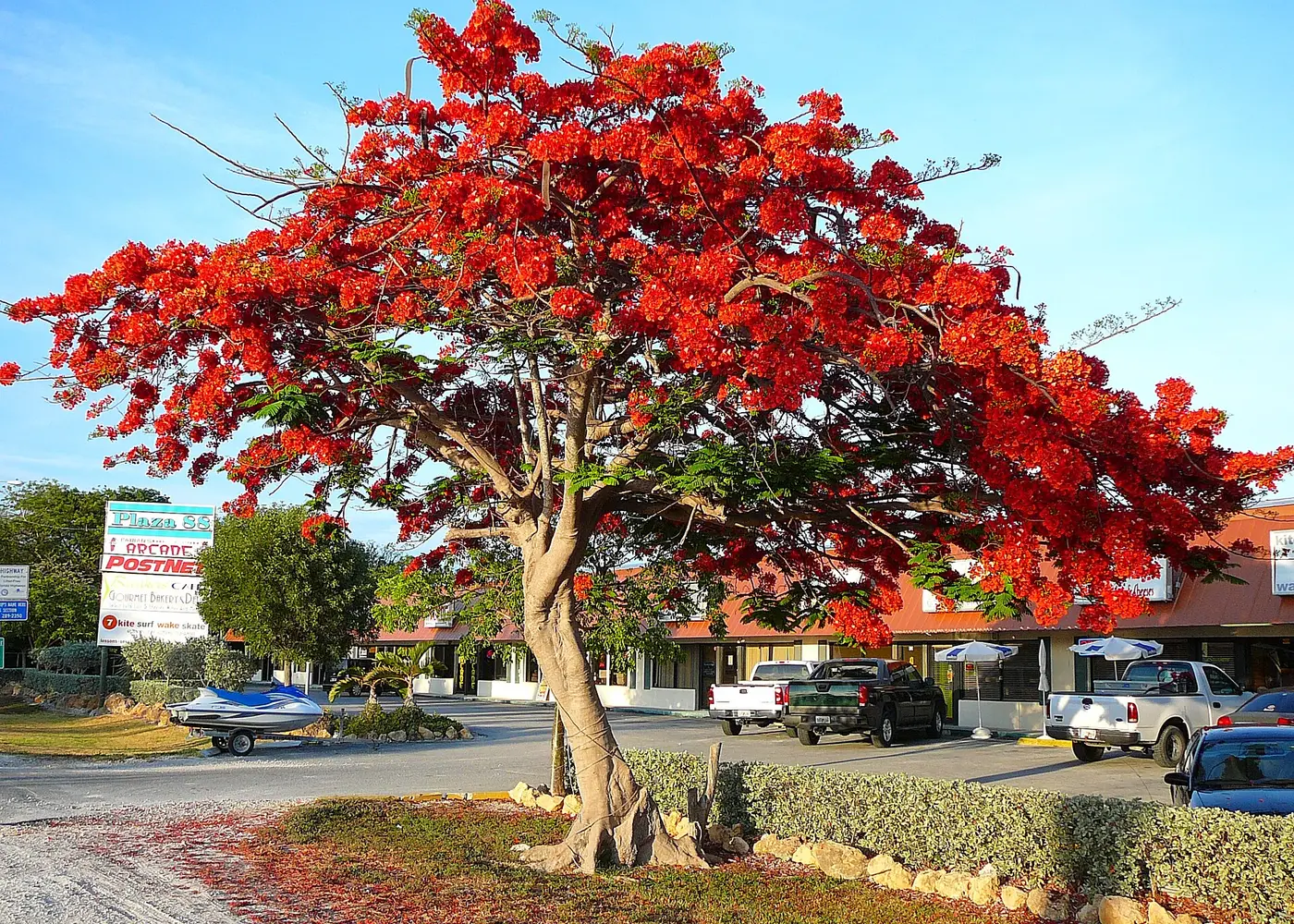
Let buyers see variety...then give them a way to organize it.
The catalog experience pairs large plant imagery with botanical identity, landscape use, planning facts, sizes, quantities, and one consistent quote action.
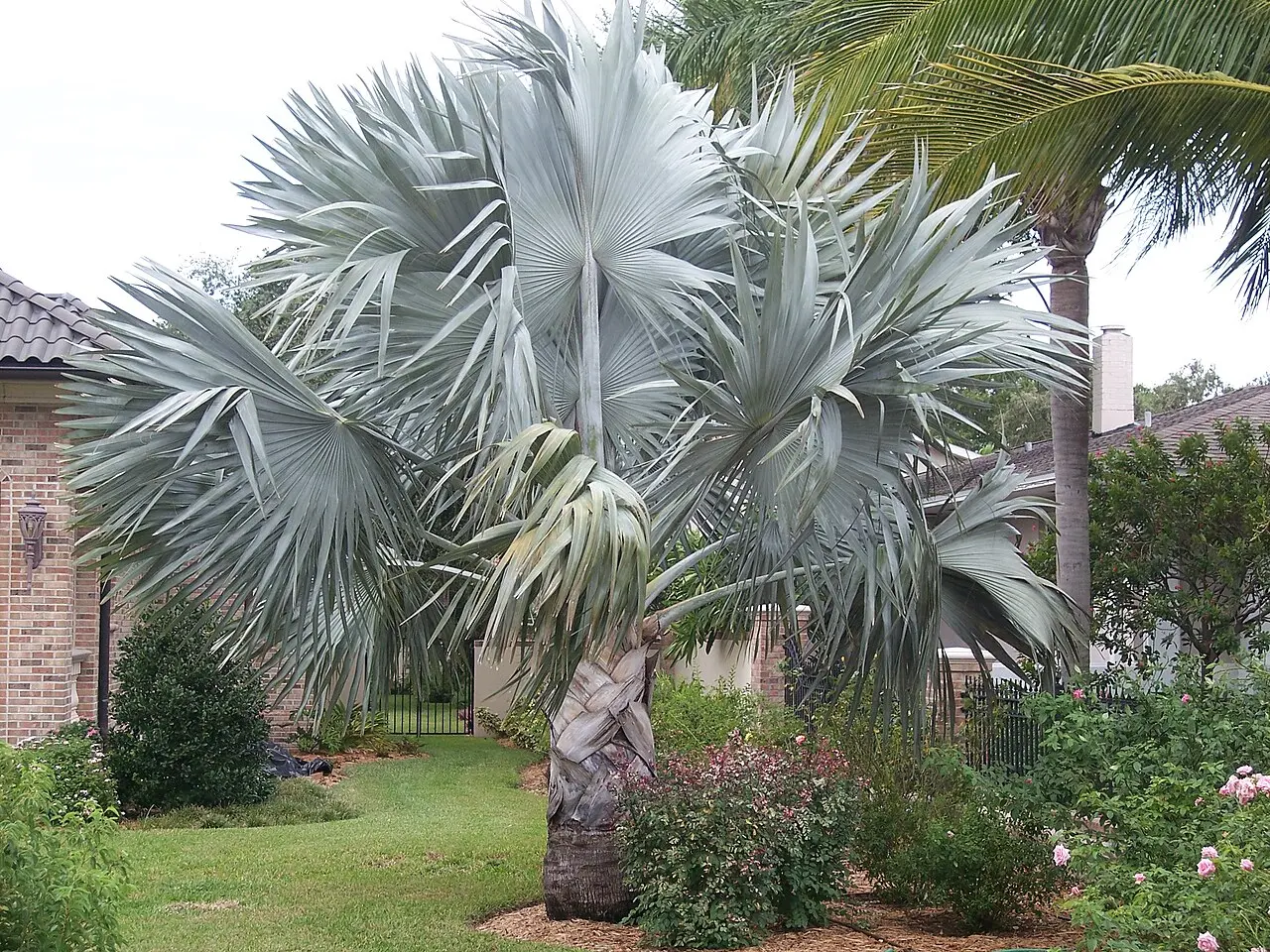
The website stores its imagery locally. Catalog photos are representative because natural plant form and appearance vary. Licensed catalog sources are documented on a dedicated image-credits page rather than hidden behind the design.
Replace the vague “Do you have this?” message with a usable plant list.
The conversion path respects how buyers actually plan. They may know a plant name, a use, a category, a desired size, or only the outcome they want. The system lets that understanding improve while preserving every selected item.
“I need plants for a project, but I do not know what the nursery carries or how to specify it.”
Search, categories, and plant pages provide several ways into the inventory.
Recognize that a plant list changes as the project becomes clearer.
The buyer can compare common and botanical names, uses, specifications, sizes, and related plants without calling after every choice.
Give every plant a permanent detail page and an immediate quote action.
Buyers can add the exact size, quantity, and optional line note from the catalog or plant page.
Turn scattered browsing into one persistent project basket.
The browser retains selections while the buyer changes quantities, adjusts sizes, removes items, and adds notes.
A quote request the nursery can evaluate and respond to.
Customer status, company, project, ZIP code, fulfillment, target date, alternates, notes, and the itemized list arrive together.
The website does not claim that every displayed plant, size, quantity, delivery route, or installation date is currently available. The request creates an organized sales conversation so the nursery can confirm the details that change.
One plant source generates the catalog, categories, details, and sitemap.
The repository is not maintained as 100 unrelated plant files. A structured plant registry and Python generator produce the permanent SEO pages, while shared components control headers, footers, analytics, contact paths, quote badges, and asset versions.
Progressive catalog
The catalog initially renders eighteen records, filters by text and category, then loads more as the visitor approaches the end. A non-observer fallback renders the full inventory.
Persistent quote basket
Browser storage keeps the working list across pages and visits. Shared badges show the total quantity while size, quantity, notes, updates, and removal remain editable.
Validated PHP request
The processor enforces POST submission, honeypot protection, customer status, contact permission, valid email, plant-list limits, safe quantities, cleaned text, and a unique request ID.
Hostinger-ready deployment
Generated HTML is committed directly. The server needs PHP for form delivery but no Node process or database, and Git-connected updates can publish the repository root.
Each plant route carries structured purchasing context.
- Unique plant title, meta description, canonical URL, H1, common name, botanical name, description, and local image path
- Eight category hubs with distinct intent copy and direct links to every plant in the category
- WebPage and Thing structured data describing each plant, plus BreadcrumbList markup
- Open Graph titles, descriptions, canonical URLs, and plant images
- Visible breadcrumbs connecting home, catalog, category, and plant detail
- XML sitemap generated from the same inventory source as the category and plant pages
- Legacy generic plant fallback and image-credit page intentionally marked noindex
- GA4 measurement applied through the shared component system with asset-version controls for caching
The plant page answers planning questions without pretending to replace the nursery.
Each record provides enough information to compare possibilities and prepare a better request. It also reminds the buyer that real performance depends on site conditions, installation, irrigation, and ongoing care.
Plant identity
- Common and botanical names
- Category, badge, and representative image
- Long and short descriptions
- Twenty-eight records identified with native-related badges
Planning specifications
- Mature height and spread
- Light, water, growth rate, and Florida zones
- Salt, cold, and drought tolerance
- Habit, maintenance, spacing, and care notes
Buyer context
- Landscape uses and project applications
- Available quote specifications from the record
- Quantity and line-item notes
- Related plants within the same category
Responsible boundaries
- No unsupported live-inventory claim
- No universal plant-performance guarantee
- Representative-image disclosure
- Dedicated attribution for licensed plant photographs
The catalog is measurable. Commercial outcomes still need a defensible baseline.
The domain was verified in Google Search Console and began collecting impressions in August 2026. That proves measurement started...not that rankings, clicks, quotes, or sales increased.
Search Console has shown impressions and excluded-URL reports. Index coverage, noindex behavior, alternate canonicals, and newer service routes need to be reviewed before claiming broad organic visibility. No click, lead, order, or revenue increase is reported.
Connect search behavior to quote quality.
GA4 is installed through the shared component system, and Search Console verification provides index and query feedback. The next reporting layer should determine which categories and plants attract qualified buyers, which catalog paths create quote additions, and which requests become appropriate nursery sales or service estimates.
A broad nursery inventory without a structured digital buying path
Plant research, specifications, quantities, sizes, and project notes could become disconnected messages or lengthy calls that forced the buyer to restate the request.
A crawlable catalog connected to one organized quote
One hundred plant pages, eight category hubs, interactive discovery, landscaping services, and a persistent quote workflow now support the same buyer journey.
What the Duque's Palms build included.
“Nursery website” covered the marketing experience, structured inventory, quote behavior, service pages, search foundation, and maintainable source system.
- Homepage for nursery, landscaping, and lawn-service positioning
- Wholesale and retail catalog with search and category filtering
- One hundred curated plant records
- Eight permanent category hubs
- One hundred crawlable plant-detail pages
- Progressive catalog loading and empty-state recovery
- Common name, botanical name, specifications, uses, care, and buyer notes
- Quick-add and detail-page quote controls
- Persistent quote basket with size, quantity, and notes
- New and returning customer identification plus project details
- Validated PHP email processor with request IDs and spam control
- Landscaping and lawn-service pages
- Shared header, footer, analytics, asset versions, and quote badges
- Canonicals, Open Graph, structured data, breadcrumbs, sitemap, robots, and noindex controls
- Image credits, local assets, GA4, generation scripts, README, and Hostinger deployment workflow
A catalog can support sales without pretending every product is ready for checkout.
Structure creates usefulness.
One hundred plant cards become easier to understand when category intent, permanent URLs, specifications, related plants, and quote actions are designed together.
A quote basket can be better than a shopping cart.
When inventory, specifications, delivery, installation, and timing require review, the goal is an organized request rather than a false instant transaction.
Interactive and crawlable are not opposites.
The filter helps people explore quickly. Static category and plant pages give search engines stable content and let visitors enter at the exact plant they researched.
Shared generation protects a large inventory.
Plant facts, page metadata, schemas, internal links, quote options, and sitemap entries stay connected because they flow from the same structured source.
Questions about the Duque's Palms website
What did Tight Designs build for Duque's Palms?
Tight Designs created the website strategy, responsive visual system, homepage, wholesale and retail plant catalog, eight category hubs, 100 plant-detail pages, landscaping and lawn-service pages, persistent quote basket, protected quote form, structured data, analytics integration, technical SEO foundation, shared components, generators, and Hostinger-ready deployment system.
How many plants are included in the Duque's Palms catalog?
The catalog contains 100 curated plant records divided among palms, shade trees, flowering trees, fruit trees, hedges and screens, shrubs and color, tropical accents, and groundcovers and grasses. Every record has a dedicated crawlable plant page with purchasing and planning information.
How does the online plant quote system work?
A buyer can search or filter the catalog, select a plant size and quantity, and add the item to a quote basket. The basket persists in the browser and supports multiple line items, size changes, quantities, notes, removal, and project information before a validated PHP form emails one organized request.
Is DuquesPalms.com only for wholesale customers?
No. The site deliberately presents Duque's Palms as both a wholesale and retail nursery. Landscapers, businesses, and homeowners can research plants, prepare a quote request, or explore delivery, installation, landscaping, and lawn-service options.
Does this case study claim search rankings or nursery sales growth?
No. Google Search Console verification and early impressions confirm that measurement began, but this case study does not invent rankings, clicks, leads, sales, or revenue. It documents verified scope and identifies index coverage and conversion quality as measurements that need more first-party data.
Can Tight Designs build a similar catalog and quote website?
Yes. The same method can support a business that needs customers to compare a structured inventory and request a custom quote instead of checking out at a fixed price. The catalog fields, search logic, content hierarchy, quote details, fulfillment questions, and technical system should be designed around the actual buying process.