Englewood / Lemon Bay, Florida
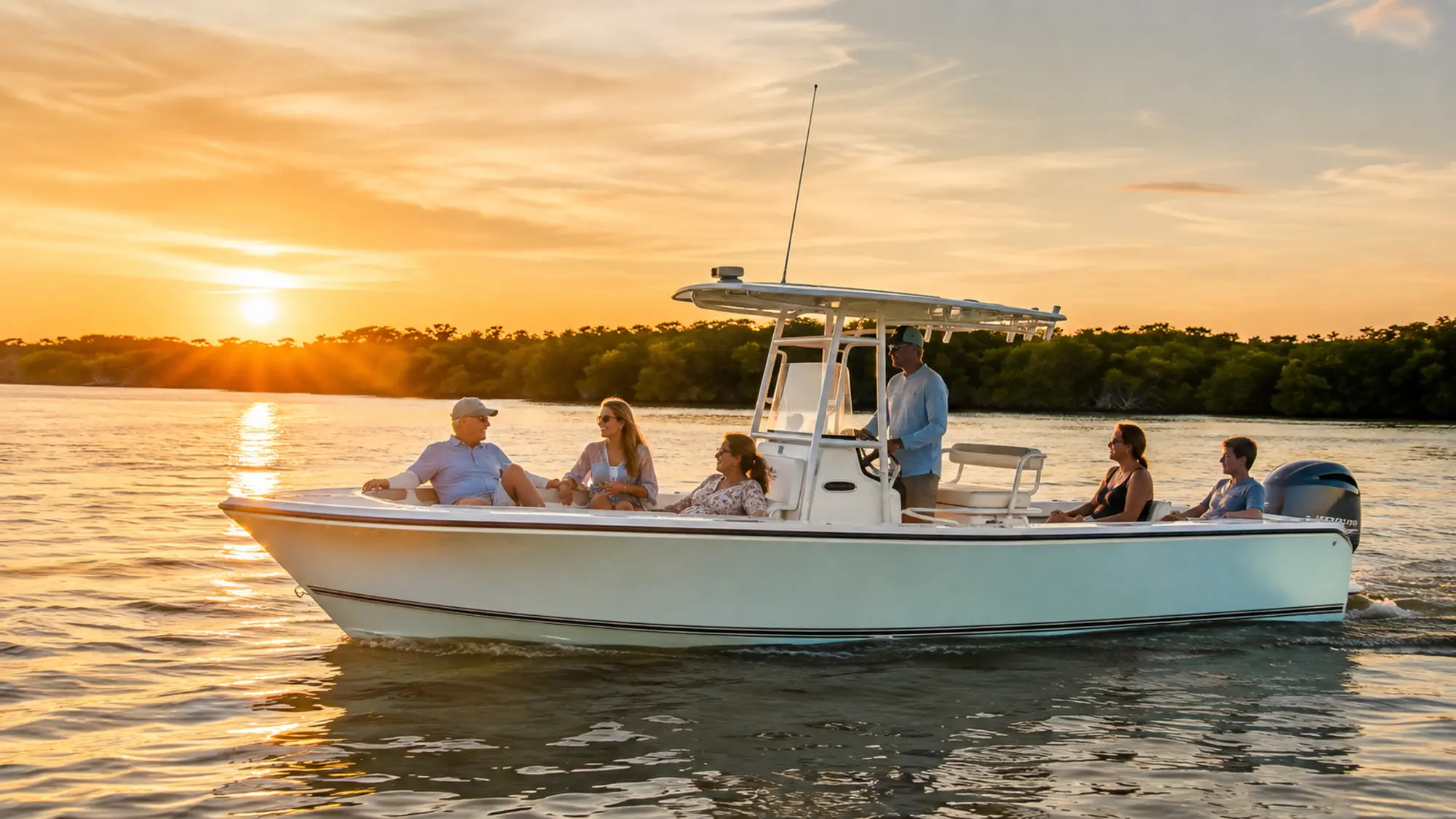
Englewood Boat Tours
A 67-route local authority website built around boat tours, sunset cruises, inshore fishing, trip planning, and the geography of Lemon Bay.

Tight Designs work
A portfolio can show how a site looks. A useful case study explains the decisions beneath it... the customer journey, content architecture, local search strategy, technical system, conversion path, and evidence used to judge the work.
Each case study separates what was built from what has been measured. That keeps the proof useful and the claims honest.
A 67-route local authority website built around boat tours, sunset cruises, inshore fishing, trip planning, and the geography of Lemon Bay.
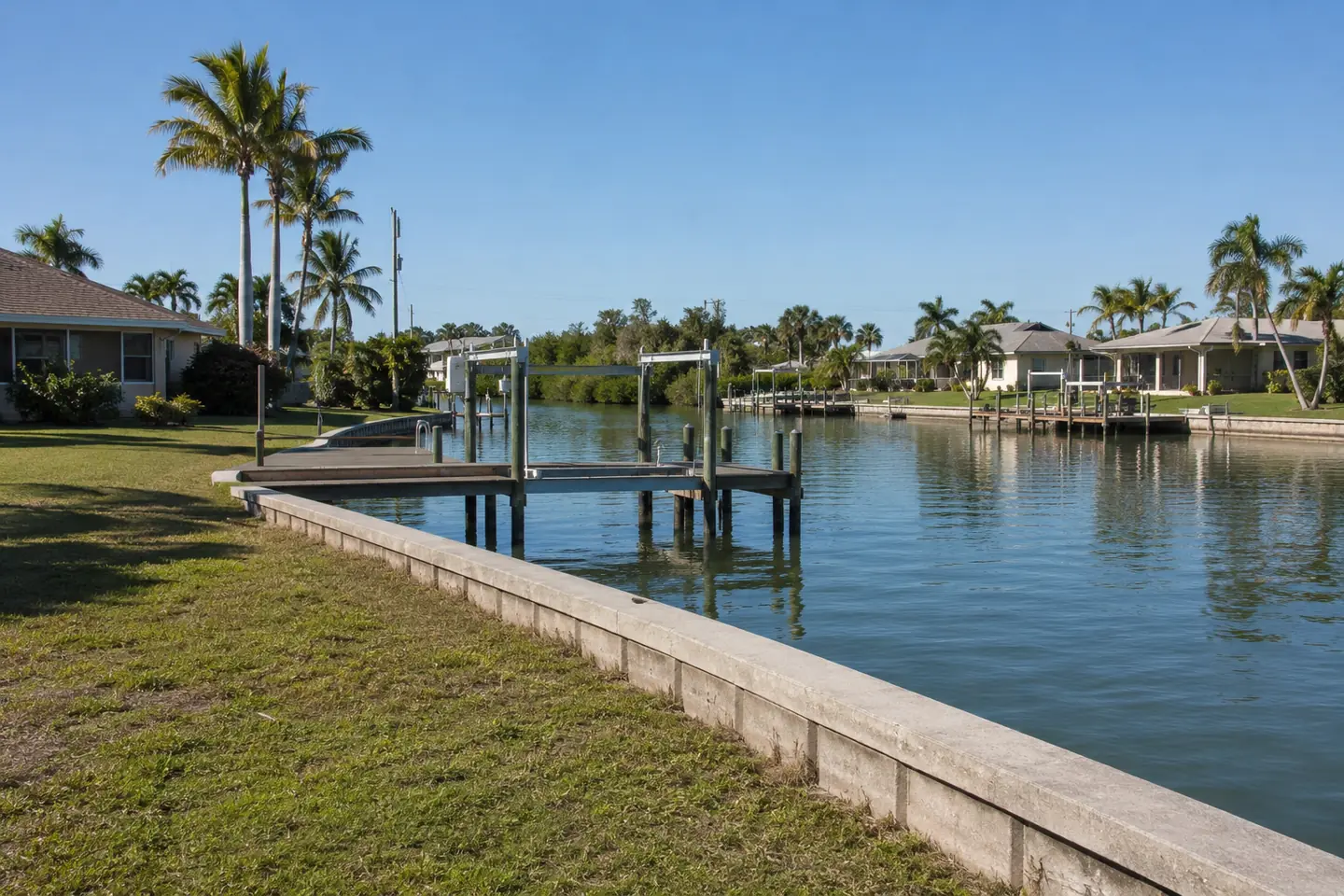
A 73-route homeowner decision system covering seawall types, warning signs, costs, permits, storms, maintenance, and the shoreline geography around Lemon Bay.

A 19-route mobile-notary website that separates travel from notarial fees, prepares signers, explains Florida boundaries, and plans complex mainland and barrier-island appointments.

A 100-plant wholesale and retail catalog with eight crawlable category hubs, detailed plant specifications, landscaping services, and a persistent multi-item quote workflow.

A custom author platform replacing a frustrating DIY Squarespace attempt with a clear six-page website, multilingual book paths, speaking and media content, and a connected WordPress blog.
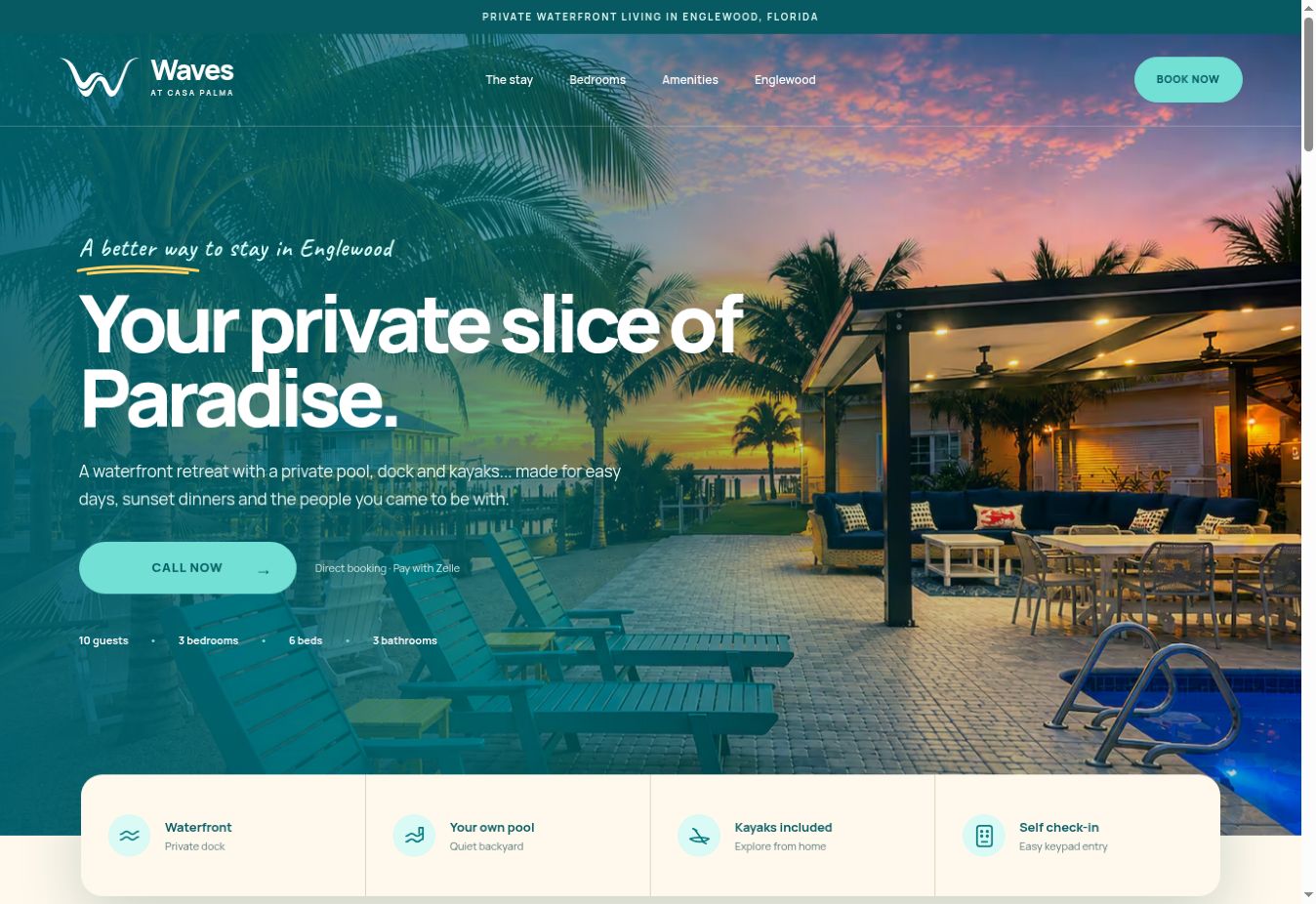
An owner-controlled waterfront vacation-rental website that turns a third-party-only presence into a branded direct-booking channel for referrals, repeat guests, and qualified travelers.
A website earns its place in this collection when its strategy, structure, content, implementation, and measurement plan can withstand explanation.
What stood between the customer and a confident decision?
How did pages, content, components, and technology work together?
Which claims are verified, and which natural or business outcomes remain uncertain?
What should real search and conversion data teach us after launch?
Google does not reward a page simply because it calls itself a case study. The page has to make the work understandable. That means naming the service, market, customer problem, local context, implementation choices, and verifiable outcome in language that a prospective client can evaluate.
No invented traffic graphs. No anonymous testimonials written by the agency. No percentages without a baseline. No city-name swapping presented as local expertise.
When performance data matures, it can be added with a date range, source, and definition.
Ready for the next case study?
Start with the customer problem, then build the clearest path to the action your business values.